Egyptian Christian Convert Faces Possible Death Penalty for Refusing to Renounce Christianity
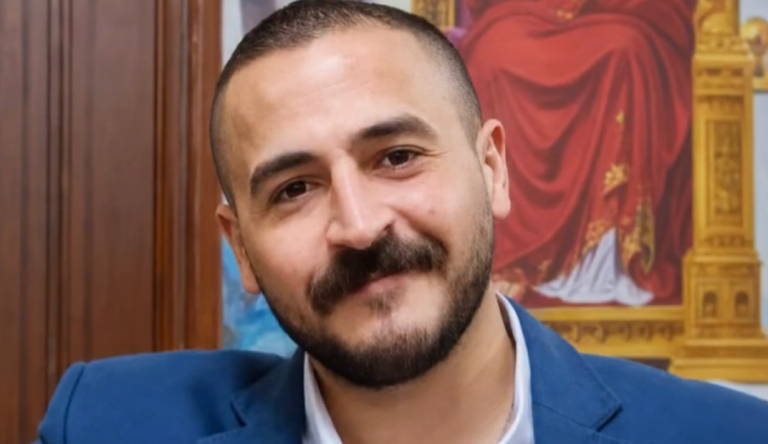
Egyptian prosecutors are seeking the maximum possible punishment, either the death penalty or 25 years in prison, for Said Mansour Rezk Abdelrazek, a Christian convert who was previously a Muslim. His legal representatives announced the development on Tuesday following a court hearing, raising concerns among religious freedom advocates about his treatment and the charges against him.
Abdelrazek was initially arrested in July 2025 and has remained in Egyptian custody since then. The specific charges behind his detention were not initially disclosed. His case has also attracted attention because of his previous arrests and his public statements about changing his religious identity.
His legal troubles reportedly began in 2023 when he was arrested over allegations that he had published videos depicting the desecration of the Quran. He subsequently served a one-year prison sentence. Following his release, he travelled to Russia and sought asylum, but his application was rejected, resulting in his deportation.
In 2024, Abdelrazek was detained again but was released shortly afterwards. In April 2025, he was reportedly rearrested after publishing social media content discussing his conversion to Christianity and his efforts to have his religious status officially changed in legal documents.
Charges and Religious Freedom Concerns
According to the human rights organisation Coptic Solidarity, Abdelrazek faces several charges, including contempt for Islam, incitement to public disorder, spreading false information and membership in a banned terrorist organisation. The latter accusation carries the possibility of capital punishment.
His lawyers have raised concerns about the severity of the prosecution's demands, particularly as the case involves his publicly expressed religious conversion and efforts to obtain official recognition of his new religious identity. Reports surrounding the proceedings have also highlighted concerns about whether individuals can freely express and legally register a change in religious belief.
The case has drawn attention to wider questions surrounding religious freedom, freedom of expression and the legal protections available to religious minorities and converts in Egypt. The outcome of the proceedings could have significant implications for Abdelrazek, while human rights organisations continue to monitor the case.


Comments