Bangladesh: Elderly Hindu Independence Fighter and Wife Brutally Murdered by Muslim Assailants
- Mahamunimodi Team
- Dec 15, 2025
- 2 min read
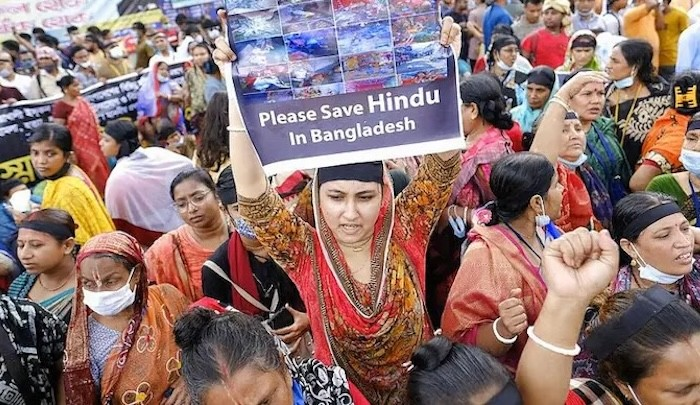
A decorated freedom fighter of Bangladesh’s 1971 Liberation War and his wife were brutally murdered at their residence in the northern district of Rangpur, deepening fears over the worsening security situation for minorities and veterans of the liberation movement. The victims, 75-year-old Jogesh Chandra Roy, a recognised Muktijoddha, and his wife Suborna Roy, were found dead inside their home with their throats slit, sending shockwaves through the local community.
The grisly discovery was made early Sunday morning after neighbours grew concerned when repeated knocks on the couple’s door went unanswered. With no response from inside, neighbours and household help reportedly used a ladder to scale the main gate and enter the premises. Inside the house, Suborna Roy’s body was found in the kitchen, while Jogesh Chandra Roy was discovered lying in the dining area. Both bore clear signs of a violent attack. Police later stated that the killings likely took place around 1 AM.
The incident is particularly alarming given that the couple’s sons are reportedly serving officers in the Bangladesh Police, an institution that has itself been under severe strain since the political upheaval of mid-2024. During the July–August 2024 movement that led to the ouster of Prime Minister Sheikh Hasina, the police force was directly targeted, with dozens of officers lynched or murdered and many others abandoning their posts. Even a year after the unrest, multiple reports suggest that Bangladesh continues to function without a fully restored and effective police force, leaving large sections of society vulnerable.
The double murder has reignited concerns over the safety of minorities, especially Hindus, under the interim administration led by Muhammad Yunus. Minority rights organisations have documented thousands of incidents of communal violence since August 2024, pointing to a sustained pattern of intimidation, attacks, and killings. These accounts, however, have been repeatedly dismissed by Yunus as “exaggerated propaganda,” a stance that has drawn sharp criticism from rights groups and opposition figures.
Reacting strongly to the Rangpur killings, exiled Awami League leader and former Information Minister Mohammad Ali Arafat described the incident as a stark reminder of the growing threats faced by freedom fighters and their families. He warned that under the Yunus administration, which he claims is supported by the anti-liberation Islamist group Jamaat-e-Islami, violence against those associated with the 1971 war is becoming increasingly common.
“Freedom fighters in Bangladesh are not only being humiliated and attacked, but are now even being killed,” Arafat said, alleging that the ideological hostility of Islamist groups toward the legacy of the Liberation War is translating into targeted violence on the ground.
While official reports have not yet identified the perpetrators or established a motive, the outlawed Awami League has directly linked the killings to the prevailing political climate and the interim government’s alleged patronage of extremist elements. As investigations continue, the murders of Jogesh Chandra Roy and Suborna Roy stand as a grim symbol of the deepening insecurity in Bangladesh and the unresolved tensions surrounding its political transition and treatment of minorities.


Comments