UK: Four Muslims sentenced to prison for spreading Islamic State propaganda and financing jihadist activities
- Mahamunimodi Team
- May 27
- 3 min read
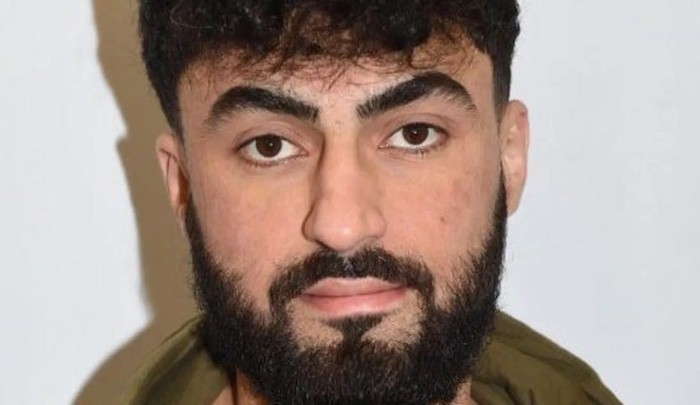
Four men have been sentenced to a total of nearly 30 years in prison for their roles in a disturbing case involving the dissemination of extremist material and the financing of terrorism through the popular encrypted messaging platform WhatsApp. The group used this app not just for casual communication, but as a covert channel to circulate propaganda supporting the proscribed terrorist organization Islamic State (IS), and to coordinate the movement of funds intended to support IS-linked activities.
This case, investigated by Counter Terrorism Policing West Midlands, highlights the persistent threat posed by online radicalization and the evolving methods terrorist sympathizers use to evade law enforcement. Three of the men were identified as engaging in terrorism-related offences between 2022 and 2023. The fourth, Omar Hussain Ahmadi, was caught at Stansted Airport with £7,000 concealed in baby formula tins — a method reminiscent of tactics used by global smuggling and terror-financing networks to move money discreetly across borders.
Mohammed Hamad, aged 30 and from Liverpool, was arrested in March last year. He pled guilty to two charges related to disseminating terrorist propaganda and was sentenced to four years in prison by Liverpool Crown Court. His role, though appearing less financial, involved sharing disturbing extremist content, further spreading the ideology of ISIS within online circles.
Roshman Azad Wali Saeed, 30, from Birmingham, played a more prominent role. Found guilty on six counts of disseminating terrorism publications and one count of involvement in terror financing, he was sentenced to 12 years in prison — the harshest among the group. Saeed’s case underscores how ideologically driven individuals not only share radical content but actively contribute financially to further such causes.
Tshko Ahmad Mohamad, 33, from West Bromwich, was convicted for his role in fundraising for terrorism. He received a seven-year sentence, reflecting the seriousness with which British courts treat any material support provided to terrorist organizations.
Omar Hussain Ahmadi, the youngest among them at 24 and hailing from Sheffield, was intercepted by Counter Terrorism Policing South East in April 2023 as he attempted to travel abroad. The concealment of cash in baby milk powder tins drew immediate suspicion and, upon investigation, revealed deeper links to terrorism financing. He later pled guilty to his role and was sentenced to five years and seven months.
The broader investigation led to significant seizures: over £4,000 in cash, more than 30 SIM cards, and at least a dozen mobile phones. Forensic analysis of these devices uncovered hundreds of messages showing overt support for Islamic State, alongside graphic images and violent extremist videos — clear violations of the UK’s terrorism laws.
This case reinforces the dangers posed by encrypted apps like WhatsApp when misused by extremist networks. While these platforms provide privacy for everyday users, they are also exploited by terrorists to share propaganda, radicalize others, and raise or transfer funds for violent causes. Law enforcement agencies in the UK and globally have called for a balance between privacy and security, urging tech companies to work more closely with governments to tackle encrypted terrorist content without compromising user rights.
The use of platforms like WhatsApp for terrorism-related activities is not new. Since the rise of ISIS in the early 2010s, intelligence services around the world have documented countless cases where encrypted communication tools have been central to the recruitment, planning, and funding of attacks. While ISIS may have lost territorial control in Iraq and Syria, its online propaganda machine remains dangerously active, inspiring lone wolves and small cells in the West.
This latest conviction demonstrates the UK's continued vigilance and the effectiveness of its counter-terrorism operations. However, it also highlights that radical networks still exist and adapt swiftly. The sentencing serves as a firm reminder that anyone involved in promoting, supporting, or funding terrorist organizations will face the full force of the law.
As governments and security services continue to grapple with the digital dimension of modern extremism, public awareness and community reporting remain vital. Stopping the spread of extremist ideologies requires a whole-of-society approach, combining legal action, digital monitoring, and community resilience.



Comments