Man Pleads Guilty to Plot to Kill Jews in What Prosecutors Call Largest U.S. Terror Scheme Since 9/11, Expresses Remorse
- Mahamunimodi Team
- 1 day ago
- 2 min read
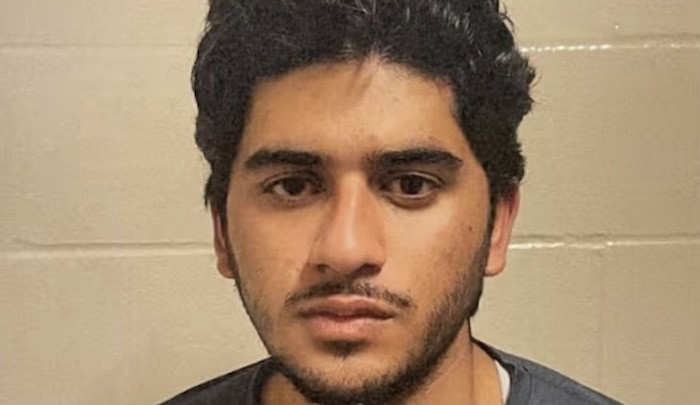
A 21-year-old Pakistani national, Muhammad Shahzeb Khan, has pleaded guilty to terrorism-related charges in the United States after admitting to a plot inspired by the extremist group Islamic State. The plan, which targeted a Jewish center in Brooklyn, was described by Khan himself as a “morally reprehensible idea.”
Plot Inspired by Extremist Ideology
According to court proceedings, Khan acknowledged that he had responded to calls by the Islamic State urging attacks against Jewish communities. He admitted to planning a mass shooting in October 2024, deliberately timing it to coincide with the anniversary of the October 7, 2023 attacks carried out by Hamas.
U.S. authorities revealed that the accused intended to maximize casualties. John A. Eisenberg stated that Khan’s objective was explicitly to “kill as many Jews as possible,” highlighting the scale and intent behind the planned attack. Investigators also found that Khan had boasted about carrying out the largest terrorist attack on U.S. soil since the September 11 attacks.
Detailed Planning and Arrest
Khan, also known as Shahzeb Jadoon, disclosed in court before Judge Paul G. Gardephe that he had planned to travel from Canada to the United States in September 2024 with the intent of executing the attack in Brooklyn. His preparations reportedly included renting a property close to the targeted Jewish center.
Authorities further revealed disturbing communications in which Khan described New York City as an ideal location due to its large Jewish population. In one instance, he wrote about plans to travel to the city “to slaughter them,” underscoring the severity of his intentions.
Expression of Regret
During his guilty plea, Khan expressed remorse for his actions, stating that he was not raised with such beliefs. He admitted that the plot was “terrible, extremely dangerous and morally reprehensible,” acknowledging the gravity of his intentions and the harm it could have caused.
Broader Implications
The case highlights ongoing concerns about online radicalization and the global reach of extremist ideologies. Law enforcement agencies continue to monitor and disrupt such threats, particularly those targeting specific communities.
Khan now faces significant legal consequences as the case proceeds toward sentencing, marking another instance of authorities intervening to prevent a potentially devastating act of terrorism.


Comments